
Currently Empty: ৳ 0.00
Beyond the Waffles: Why Belgium is 2026’s Smartest Choice for International Students
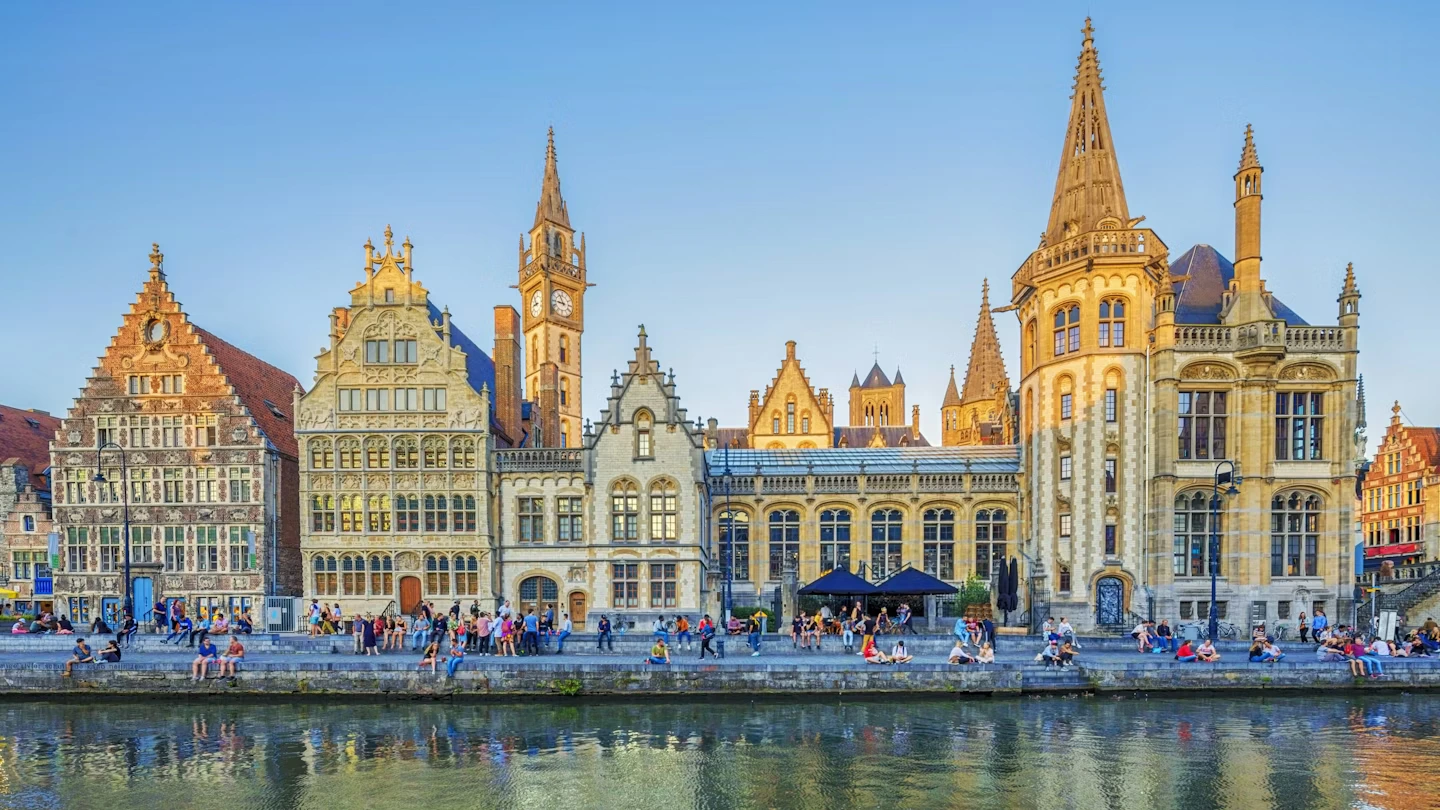
When students dream of studying in Europe, the usual suspects France or Germany often come to mind. Yet, tucked between them is a powerhouse that offers the same academic prestige at a fraction of the cost, with a far more international soul. Belgium isn’t just the heart of the European Union; it’s a living laboratory for research, diplomacy, and multiculturalism. Whether you’re drawn to the medieval charm of Ghent or the highstakes political corridors of Brussels, Belgium offers a unique blend of “Old World” beauty and “New World” opportunity.
While many Belgian universities are deeply rooted in their local Dutch or French heritage, a significant number have transformed into global hubs with robust English catalogs.
The Research Powerhouses (Flanders)
KU Leuven: Consistently ranked in the global top 50, it offers high-profile English bachelors like Business Administration, Engineering Technology, and Philosophy. At the Master’s level, it is a world leader in AI and Biomedical Sciences.
Ghent University: While bachelors are primarily in Dutch, Ghent is a sanctuary for graduate students, offering over 50 English Master’s programs, particularly in Life Sciences, Engineering, and Veterinary Medicine.
University of Antwerp: Known for its “open doors” to international talent, offering English programs in Business Economics, Applied Computer Science, and Global Health.
The International Hubs (Brussels)
Vrije Universiteit Brussel (VUB): A truly urban university offering rare English bachelors in Social Sciences and Business Economics, along with nearly 30 Master’s programs focused on International Relations and Urban Studies.
Brussels School of Governance (BSoG): Ideal for those pursuing diplomacy. It operates on an American-style educational model with high-touch faculty interaction, offering specialized degrees in International Affairs and Global Security.
In Belgium, timing is everything. Because the visa process can be extensive, the deadlines for non-EU students are significantly earlier than for locals.
The Early Bird (Nov – Feb): This is the “Scholarship Window.” If you are eyeing the prestigious VLIR-UOS (Flanders) or ARES (Wallonia) grants, your applications must typically be submitted by February 1st or February 28th, 2026.
The Standard Window (Feb – April): Most public universities, including KU Leuven and the University of Antwerp, set a hard deadline of April 1st, 2026, for non-EU applicants.
The Rolling Admissions: Some private institutions and specific Master’s programs use rolling admissions, but applying after April is a gamble with your visa processing time.
Financial Reality: Quality Education Without the Debt
One of Belgium’s most compelling arguments is its affordability. While private business schools like the Antwerp Management School or Brussels School of Governance can range from €8,000 to €20,000, public universities remain remarkably accessible.
Non-EU Tuition Fees (Approx. Annual):
Public Universities: €2,500 – €6,000.
Note: In 2026, students should budget for a slight increase in Flemish university fees due to recent regional budget adjustments, though they remains a bargain compared to the UK or USA.
Living the “Belgian Style”
What does life actually look like on the ground? It’s a mix of rigorous academics and a high quality of life.
The Cost of Living: On average, you’ll need €800 to €1,200 per month. Brussels and Leuven are the “premium” cities, while gems like Liège offer a more budget-friendly experience.
Part-Time Work: International students can work up to 20 hours per week during the term. While English is common in Brussels, learning the basics of Dutch or French will drastically improve your chances in the local hospitality or retail sectors.
The “Search Year”: This is the game-changer. After graduation, non-EU students can apply for a 12-month “Orientation Year” visa. This allows you to stay in Belgium to find a job or start a business without the immediate pressure of a work permit.
The Golden Ticket: Master Your Document Checklist
The Belgian authorities are meticulous; one missing stamp can stall your dreams for a year. Ensure your file includes:
Academic Records: Legalized copies of your diplomas and transcripts.
Language Proficiency: A Master’s usually requires an IELTS of 6.5 or a TOEFL iBT of 80–95.
The Medical Certificate: You must be cleared by an embassy-approved doctor. This is only valid for 6 months, so time it carefully!
Certificate of Good Conduct: A criminal record check from your home country, issued within the last 6 months.
Financial Solvency: Proving You’re Self-Sufficient
For the 2026 academic year, the “blocked account” or monthly requirement is approximately €835 – €850 per month.
Our Tip: Many students use a Blocked Account. You transfer the year’s living expenses (approx. €10,200) to the university, and they pay it back to you in monthly installments. This is the most reliable way to satisfy visa officers.
The Visa Maze: Success Rates and Interviews
The Belgian Type D (Long-stay) visa success rate for students with complete files is historically high—often exceeding 90% for those with a “Blocked Account” or government scholarship.
Administrative Fee: A mandatory “contribution fee” (approx. €210–€250) paid to the Belgian Immigration Office.
The Interview: Be prepared to discuss your “Study Plan.” The officer isn’t just checking your papers; they want to know how this specific degree in Belgium fits into your long-term career goals.
Studying in Belgium in 2026 is a strategic move. It’s for the student who wants to be blocks away from the European Parliament or at the center of Europe’s largest logistics hub. It’s a rigorous process, but for the 100,000+ international students already there, the rewards from the “Orientation Year” job-search visa to a career in the EU hub are well worth the effort.

admin
At vero eos et accusamus et iusto odio dignissimos ducimus qui blanditiis praesentium voluptatum deleniti atque corrupti quos dolores et quas molestias excepturi sint.